 |
| PC: Microsoft.com |
Blogging after a long time... however I just could not stop my self from sharing the new things I learned about Microsoft and the latest trends in the industry.
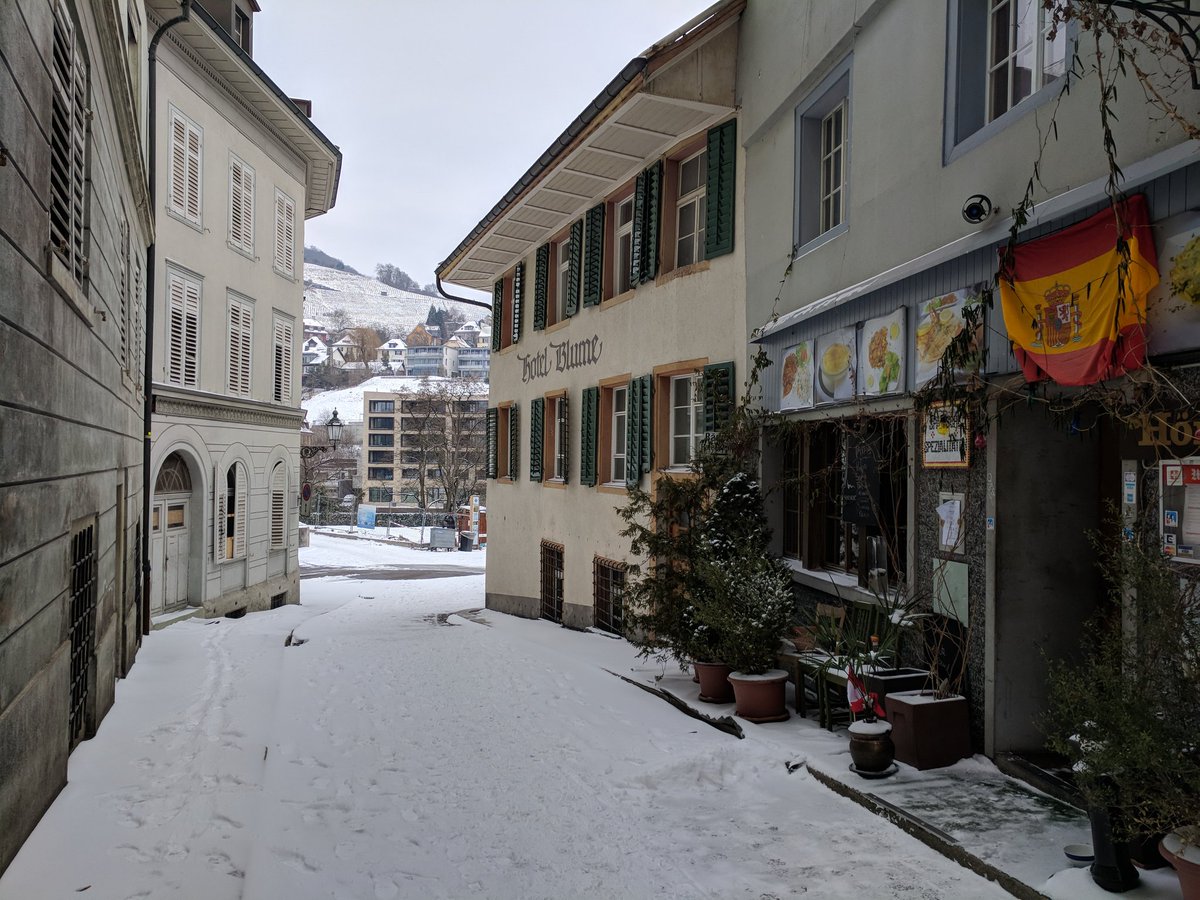
It was a 1.5 day event with 1,000+ participants and great Demos and user experience and I had a great time soaking my self in a infinite pool of knowledge. Though it was snowing heavily (specially on day 2) the hall were filled and the entire Trafo was probably packed more than on any blockbuster release dates!
 |
||
| !(Self) Check-in | Huge packed crowds | Snow on 01.03 PC: @DynamicWebPaige on Twitter |
On 28.02, I was there around 12:50 and registrations were to begin at 13:00, there were minor glitch in the registration software, which was supposed to read the bar code from mail and print the badges, however the event management was fast enough to realize and had manual registration opened up. Inspite of the hiccups it was not a painful process!
At 14:00 the event started with David Kurt's curtain raiser and welcome note! Mark Russinovich, Azure CTO, in his opening speech talked about benefits of Azure and also made some interesting quotes and announcements
- Microsoft is a "deeply open source company" -- Surprise for many but true with many contribution to open source from Microsoft and also tools to encourage open community
- He talked about Project Brainwave a specialized processor that will enable real-time AI with processors which can solve complex algorithms 50x faster than normal processors with 40 Tera-flops
- Azure Migrate is available to everyone -- Migrate is an analytical tool that helps migrating to cloud identifies dependencies and visualizes readiness to migrate
- Azure Stack is an extension to Azure cloud for on-premises and Hybrid cloud as well as Edge processing for case like image processing algo running on the camera device and reporting only important event to cloud rather than streaming full video and analysis on cloud - an example of IoT and Edge working hand in hand
- Microsoft Compliance Manager was also introduced that can help companies assess how compliant it is to regulators like GDPR, ISO 27001, ISO 27018, NIST 800-53, NIST 800-171, and HIPAA[2]
- Finally touching on Block-chain, Mark highlighted the performance limitations of Ethereum and mentioned that Microsoft is working on CoCo framework which will eliminate these shortcomings and this will be launched as opensource in Github in coming months!
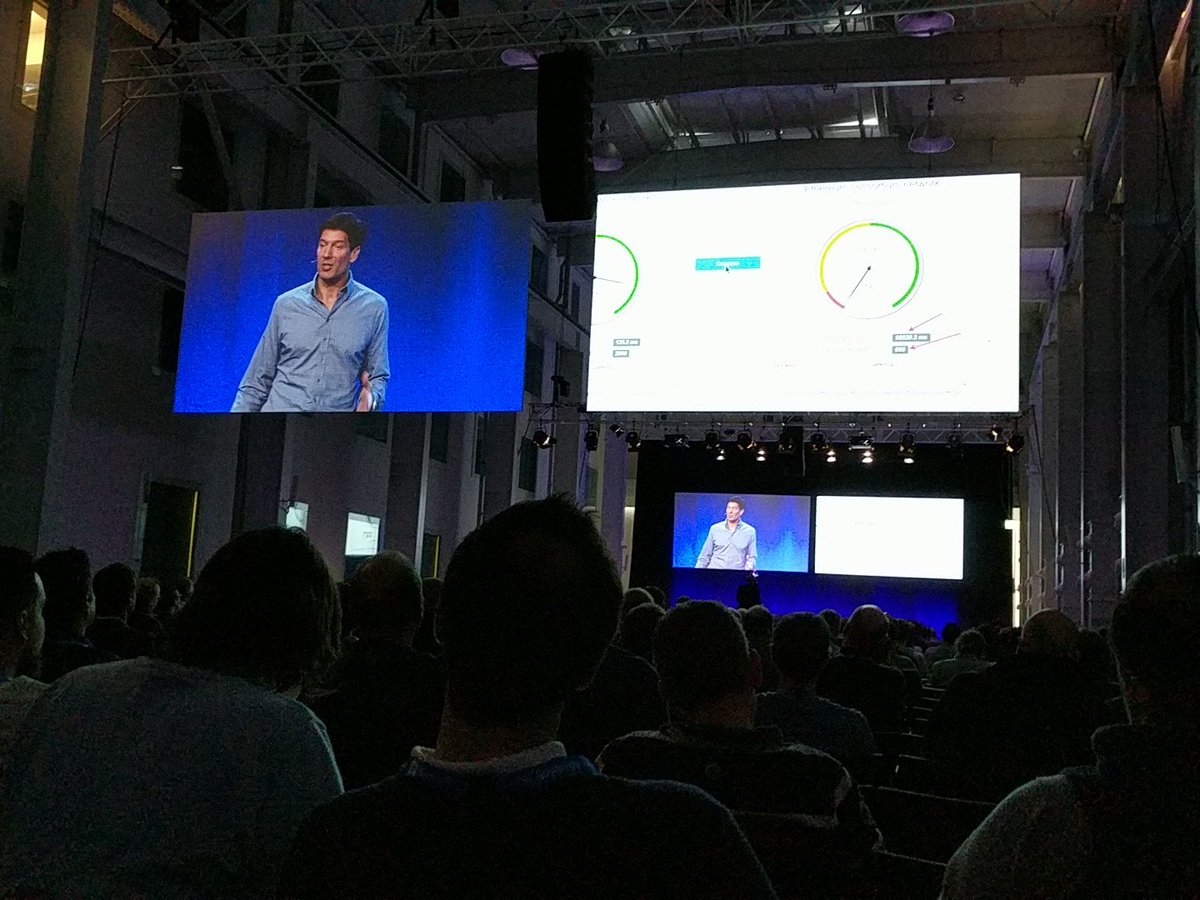 |
| Demo of FPGA PC: @DynamicWebPaige on Twitter |
- Project Moby is an open framework created by Docker to assemble specialized container systems without reinventing the wheel
- In a PoC of Mordenizing Traditional Applications, the impact was to increase portability and make MTA cloud-ready, add agility and security along with 50% cost reduction
- He did mention that Swarm orchestration supports dockers on windows and Kube 1.11 will support windows by Q2'18 and currently beta signup is available
- He also highlighted the collaboration between Docker and Microsoft at each level - Build, Ship and Run
- Dockers on windows are currently heavy, however with NanoServers, the image size is reduced to 70MB!
 |
| MTA PoC -- From slides shared on link above |
The final speaker for the day was David Kurth, Cloud + Enterprise Business Group Lead he talked about investments by Microsoft in Switzerland and had some guest speakers.
- A story of how Hiag AG, a timber merchant moved to real estate and now is a private cloud provider with Microsoft
- Case study on GateGourmet how Connectivity and Security are important for running a global business
- Microsoft and ETH engagement for supporting PhD studies on Quantum computing
 |
| PC: @Bolaxita on Twitter |
Session 1: Introduction to Artificial Intelligence on Microsoft Azure by Paige Bailey, Sr. Cloud Developer Advocate
- Paige had a very good flow in explaining what is AI - "Any technique that enables computers to mimic human behavior"
- What is ML - "Ability to learn without being explicitly programmed"
- Machine Learning example of loan default case based on historical data -- how easy can it be and also doesn't need special hardware
- However in reality we do not have clean data, it doesn't come in a single format, there may be external sources not recorded in out data set, there is a lot of background work needed and can address specific problems only, hence we need Deep Learning
- What is Deep Learning - "Learn underlying features in data by using neural networks"
- There 2 ways of implementing - Creating a new algorithm, which will need lot of data and training OR adapting algorithms that are trained and readily available for implementation
- She introduced available services from Microsoft in Azure
- She demonstrated an example where a ML reads for new uploads in her Instagram account, captions the image and Tweets it on her Twitter account, a simple but very powerful demo to trigger ideas!
 |
| AI -- From slides shared on link above |
Session 2: Best Cloud patterns and practices for Cloud Foundry and Spring using Azure by Ruth Yakubu, Sr. Cloud Developer Advocate
- Ruth mentioned that she was a Java developer and joining Microsoft was not what she had ever imagined, however on joining, she was amazed by support in Microsoft for Open Technologies
- She explained the power of PCF and how simple is the self service provisioning for any technology
- The architecture of PCF and how it fits in Azure
- Tools and integration using VSTS -- how easy it is to push code to production from IDE
Session 3: Power your move to the Cloud with Docker by Pieter de Bruin, Solution Engineer, Docker
- Pieter explained the landscape and types of applications and services we have and how can container cater to them all
- Advantages of containers - Portability, Agility, Security and Density
- Challenges of containers - Won't solve all the problems! (I liked this one), won't change monoliths, don't have UI or states
- Concept of inner loop and outer loop - a great way to represent the AD cycles
- He showed demo to run "The Pet Shop" application from 2006 on Docker with Database with just the MSI, no code changes, only few config changes he claimed to have made as prep steps
- Demo of Portability Analyzer
Session 4: Blockchain, the next frontier of Internet by Stefano Tempesta, VP of Intelligence & Microsoft MVP, Certain Six
- Stefano explained very well the story line how Internet has evolved and will blockchain be a reset or version next
- Blockchain 1.0 had simple list of transaction e.g. Bitcoin
- Blockchain 2.0 has logic embedded with smart contract e.g. Ethereum, Corda, etc. With this, we technically removed the business layer and embedded it in data
- Blockchain 3.0 is what Microsoft is working on -- internal code name Cyptlets, mostly will be changed on release.
- When you set up a blockchain there are many factors that are important - Private-vs-Public, #MiningNodes, #TrasactionalNode, etc. Azure Blockchain has a good UI to set the variables
- One of the major challenge with setting up blockchains is availability of tools
 |  |
| Blockchain -- From slides shared on link above | Architecture -- From slides shared on link above |
Session 5: LogicApps, EventGrid, Azure Functions - An introduction into serverless computing by Michael Rüefli, Solutions Architect / Technology Lead & Microsoft MVP, itnetX
- Michael compared transition from on-premises to IaaS to serverless with means of transport. A great story!
- He very well illustrates Azure offerings in his slides with exhaustive list of services and interfaces Azure Functions has
- He also tried to show a demo of polls using functions, which sadly didnt work but he could make his point on how easy it is to write functions without coding!
- There were interesting questions asked in the QnA which needs to be answered yet
- How can DDoS attack be avoided on Serverless with out high invocations and also avoiding usage of limits set
- How to secure a Serverless bit, without making it heavy
Session 6: From Zero To Azure With Angular by Fabian Gosebrink, Software Consultant & Microsoft MVP, Offering Solutions Software
- Fabian had very effective slides and each made an impact with simple messages like-
- Keep Client and Server code separated with a clear interface, making it technology agnostic
- He explained very effectively why to modularize Angular code
- Had a great closing line "Automate everything"
Between sessions, in the break, I visited the stalls by the sponsors and had some good insights and experiences, to list the best demos:
- I got a chance to play on surface device!
- Augmented reality and Holo glass for a Peru trip and a shooting game was indulging
- Tesla controlled in cloud using PowerShell, Functions and Alexa for voice control and a PowerBI dashboard with all data like location history, battery and mileage usage was a great demo!
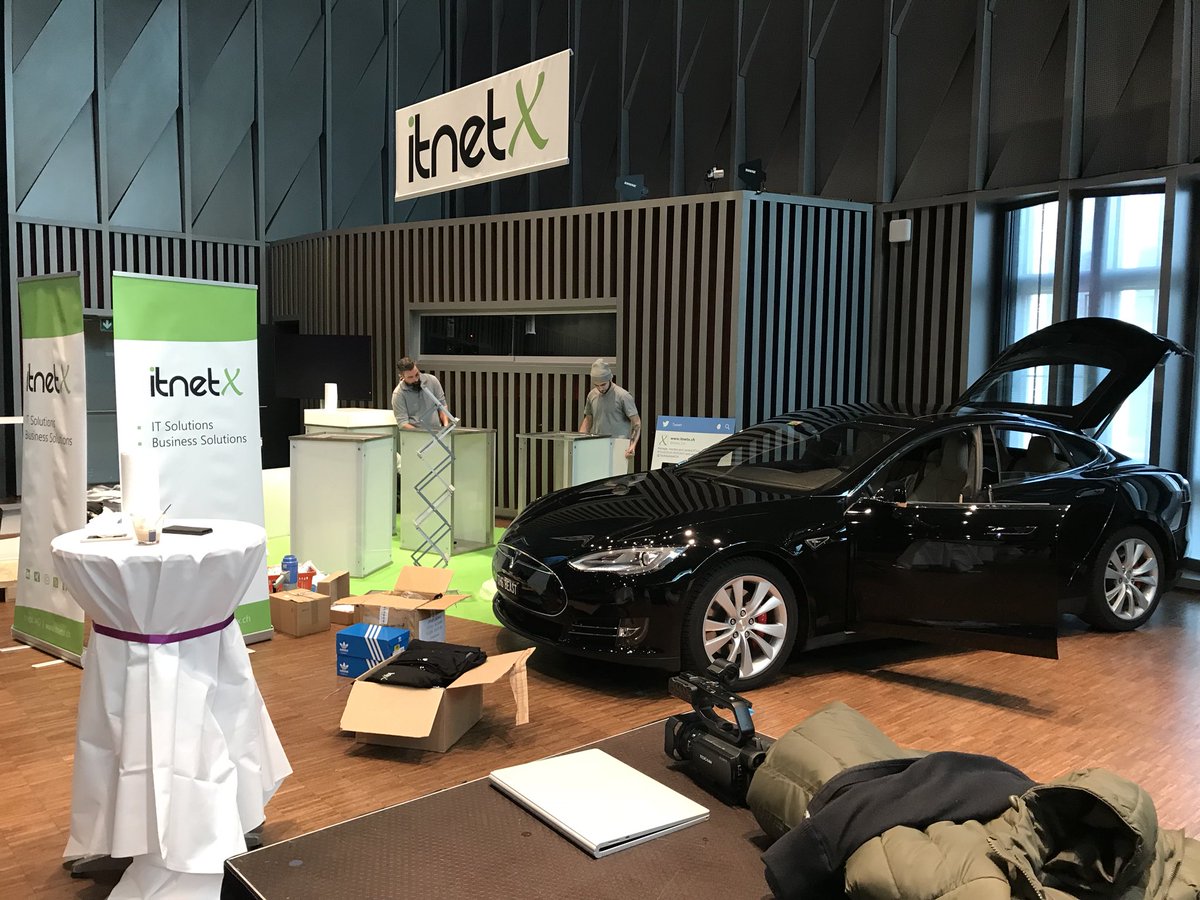 |
| Tesla controlled by Cloud -- PC: @marcelzehner on Twitter |
Finally to end the event with a lot of possibilities, Microsoft gifted a MXChip IoT DevKit, which is Azure cloud ready and sample projects for reference here!
 |
| Pic: My IoToy ;) !!! |
I'll come back with such experiences more often in near future! Don't forget to follow me!
Comments
Post a Comment